When you have an injury or develop pain there are so many different people that you can see for it. Physiotherapists , chiropractors, osteopaths, sports therapists, podiatrists, personal trainers, massage therapists, counsellors, even Chinese medicine practitioners and naturopaths. The list really could go on and on and on.
How do you know what is right for you? The truth is no-one can really tell you. What works for a friend may not work for you. What I'd like to do though is state the case for physiotherapy as the best way to getting back on track.
So then, why physio?
Training
Let's start with training. Physios have to do a three year bachelor of science (BSc) degree or if they already have a science based degree, a two years master of science (MSc) degree. The latter is the option I took having studied sports science first.
Both these courses are often highly competitive to get on and frequently oversubscribed. Thus from the off the people who study physiotherapy are likely to be an elite bunch. They will be gifted academically but will have also shown the passion and desire to help people. If they didn't have these qualities they simply will not have got on the course.
Without the above qualifications no-one can call themselves a physio or a physiotherapist. It's a protected title. That’s massively important as you know that anyone calling themselves a physiotherapist has had substantial training. Its a guarantee in some respects. Some other professions can get a title with just a weekend course!
The courses are extensive covering anatomy, biology, biomechanics and pathology. Not only of musculoskeletal conditions but also respiratory, neurology as well as other aspects of medicine. This makes physiotherapists very rounded practitioners with broad medical knowledge. Certainly I feel a lot more than other professions.
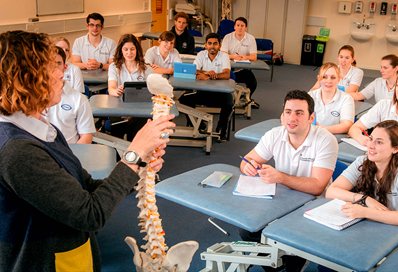
During the courses physios learn all the necessary skills to assess, clinically reason and treat a wide range of conditions. The techniques taught are broad, incorporating many of the components of other more narrow and specific professions. This means physios have a large number of tools in their toolboxes to get people better.
To complete the course physios have to do 1000 hours of clinical practice. Again this is much higher than some other professions and means even before before they have qualified they have seen a huge number of clinical situations first hand rather than just talked about them in a classroom.
Career Progression
The mad thing though is the course is just the start. One area that makes physios stand out is what goes on after completing their course. When starting out physios often complete rotations in the NHS. This means they work in various disciplines of medicine and get further training in each. This furthers their medical knowledge considerably and can make all the difference in complex presentations.
Often physio then specialise. Once specialised, they are then often fortunate enough to work within large teams. This is almost unique compared to other professions who often work in small clinics or as lone rangers. The benefit of this is that they learn lots from their peers. I have been very fortunate in that I have worked and learnt from some very experienced physiotherapists. These have included highly specialist spinal physiotherapists, and people who have worked at the highest level in sport.
Along the way I have also had significant further training. This is typical of physios, particularly those learning their trade within the NHS. This again is something I feel other professions who have to go it alone miss out on. They often just do not get the regular peer-based learning physios do.
As an idea of what post study training I have had, when I decided to specialise in musculoskeletal conditions I started an intense training program to upskill. This included 3 hours a week teaching from more experienced colleagues and 2 hours a week of supervision where I received feedback on my practice. This lasted for a year and cumulatively added up to 250 hours.
This sort of training means physios advance their skills at a much quicker rate than other therapists. That is even the people in other professions can match the amount of clinical time NHS physiotherapists in particular are exposed to.
Training continues through your career regardless of the level you are at. I still get an hour a week to discuss complex situations. I also get four hours a month for continued professional development where I meet up with other physios for physio led teaching. This means I keep up to date with the latest research / treatments. I supplement this with other courses too. I am a closet geek really. The graph below very much sums up the stages a physio goes through as their career progresses.
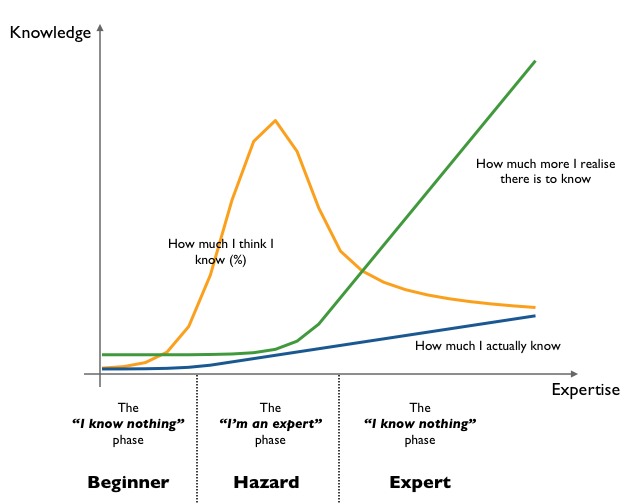
Ongoing learning is a key component of the physiotherapy profession. This is something I feel others perhaps fall behind on. I can honestly say my practice now is vastly different to what it was when I completed my degree. Medicine constantly evolves and it is important therapists also evolve to ensure their patients get the best outcome.
I would never want to be stuck doing the same things I was taught at uni. I wouldn’t want to be doing things the same way I have always have done it just because that is how I have always done it. I wouldn't want to be totally blind to what the research is coming up with or simply ignoring the research. Practice should change as the science does. Physios, well good ones at least, are generally open to change open to change.
One thing that I didn't mention when talking about the course is the time devoted to the skill of finding and analysing research. This is such an important skill to have as there is a lot of incorrect information out there. This misinformation is often derived from poor quality studies. Alternatively it may have been extrapolated beyond the studies remit, or simply just made up. The ability to recognise this and weed out the rubbish is so important to ensure practice is truly evidence based. The scientific rigour of the course therefore again puts physios in a great position to help people.
Summarising this section, physios have great learning opportunities post graduation. This means they are continually develop their skills and knowledge. The opportunities physios are afforded often trumps other professions and ensures physios stay up to date with the ever changing science.
Approach
One criticism of physiotherapy is that it is not a specific approach. Indeed there have been many arguments within the physiotherapy profession as to what physio is. This is in stark comparison to other professions where the approach is often much more clearly defined. This leads to confusion for patients and I can put physiotherapy in a bad light.
Although physio can mean a lot of different things to different people I think there are some common themes between good physios: these are active listening, targeted education and reassurance, effective exercise prescription, motivation and evidenced based practice. These are important principles to help get people better and stay better.

Physios of course have a broad list of other skills and techniques which can really help patients. The use of these will vary from physio to physio. I feel however the broad range of skills in a physiotherapists tool box is a big advantage when comparing to professions with more specific skills/biases. It means physios do different things for different people. Ultimately giving individualised care respecting no two individuals are the same. Physios provide holistic treatment in that sense and treat people as people and not just as conditions.
My approach is to keep things simple. I want my patients to be in control and not be reliant on me in the long-term. I want them to get better in as short a time as possible within as few sessions as possible. This may not be great for business but it sits well with me ethically. I truly believe in this approach and I know many other brilliant physios who share this view.
Governance
One final point to make is that physios are governed by two different national bodies. The first is the healthcare professions council (HCPC) and the second being the Chartered Society of Physiotherapists (CSP). This means we have certain standards to adhere to. Every two years we need to be able prove that we adhere to them in order to stay registered. Some examples of these standards include professional conduct, confidentiality and continued professional development. Because of this you know what you are getting when you book physio.
 Summary
I strongly feel physiotherapy is the profession to go to when pain is limiting the things you do. This is by no means discrediting other professions, they still get results. I just feel that physios have the best all round education. In addition they have a broad and adaptable approach which lends itself to getting a broader range of people better.
Remember whoever you choose to see, there are good and bad in each profession. Do your research and make sure your therapist has the qualifications, experience and moral compass to give you the best chance of recovering.
If you have a painful condition and would like see how we can help at Weymouth Physiotherapy then please get in contact. Get your life back on track today.